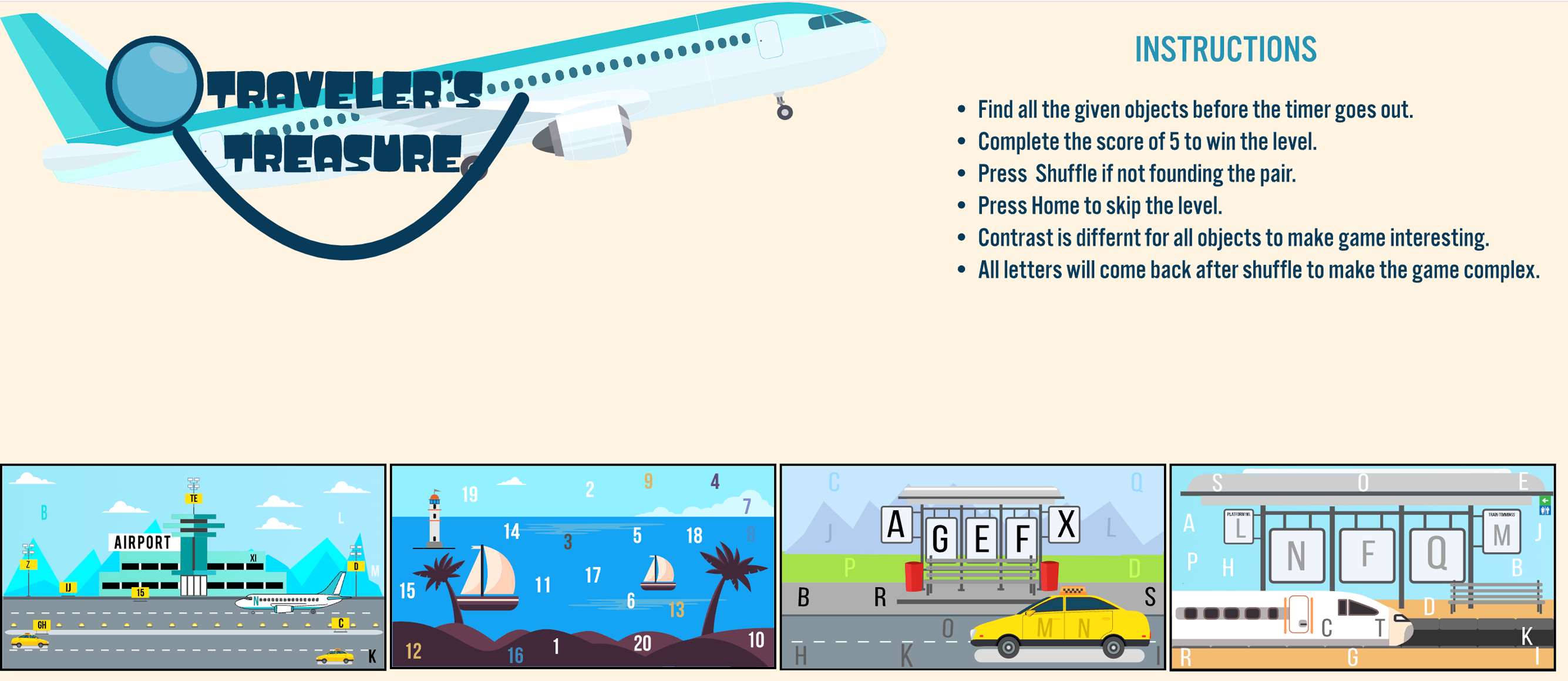
In the shadowed recesses of the digital world, a game exists, unlike any other, known only to those who dare
to delve beyond the surface of the commonplace. This game, aptly named "The Hidden Game," is an enigmatic
journey that beckons the curious and the brave to unravel mysteries that lie in the digital ether. It's not
merely a game; it's an odyssey that tests the limits of your wit, will, and perseverance, challenging
players to think outside the conventional boundaries of reality and virtuality.
"The Hidden Game" emerges from the lore of ancient puzzles, modern mysteries, and the uncharted territories
of the internet. It's designed for the seekers of secrets and the solvers of riddles, offering not just a
series of challenges, but a narrative that weaves through the very fabric of its gameplay. Here, every clue,
every level, and every challenge is a piece of a larger puzzle, a story waiting to be told, a secret
yearning to be discovered. As players venture deeper into the game, they find themselves not just
participants but part of its unfolding saga, where their actions and decisions shape the path of their
journey.
Beyond its cryptic challenges and immersive narrative, "The Hidden Game" is a testament to the power of
collaboration and community. It's a call to unite, share insights, and solve the seemingly insoluble, where
success hinges not on the prowess of the individual but on the collective intelligence of many. This digital
odyssey is not confined to the boundaries of the game itself but spills over into forums, social media, and
real-world locales, blurring the lines between game and reality, leading players to question what is truly
real and what is part of the game.
LAUNCH THE GAME
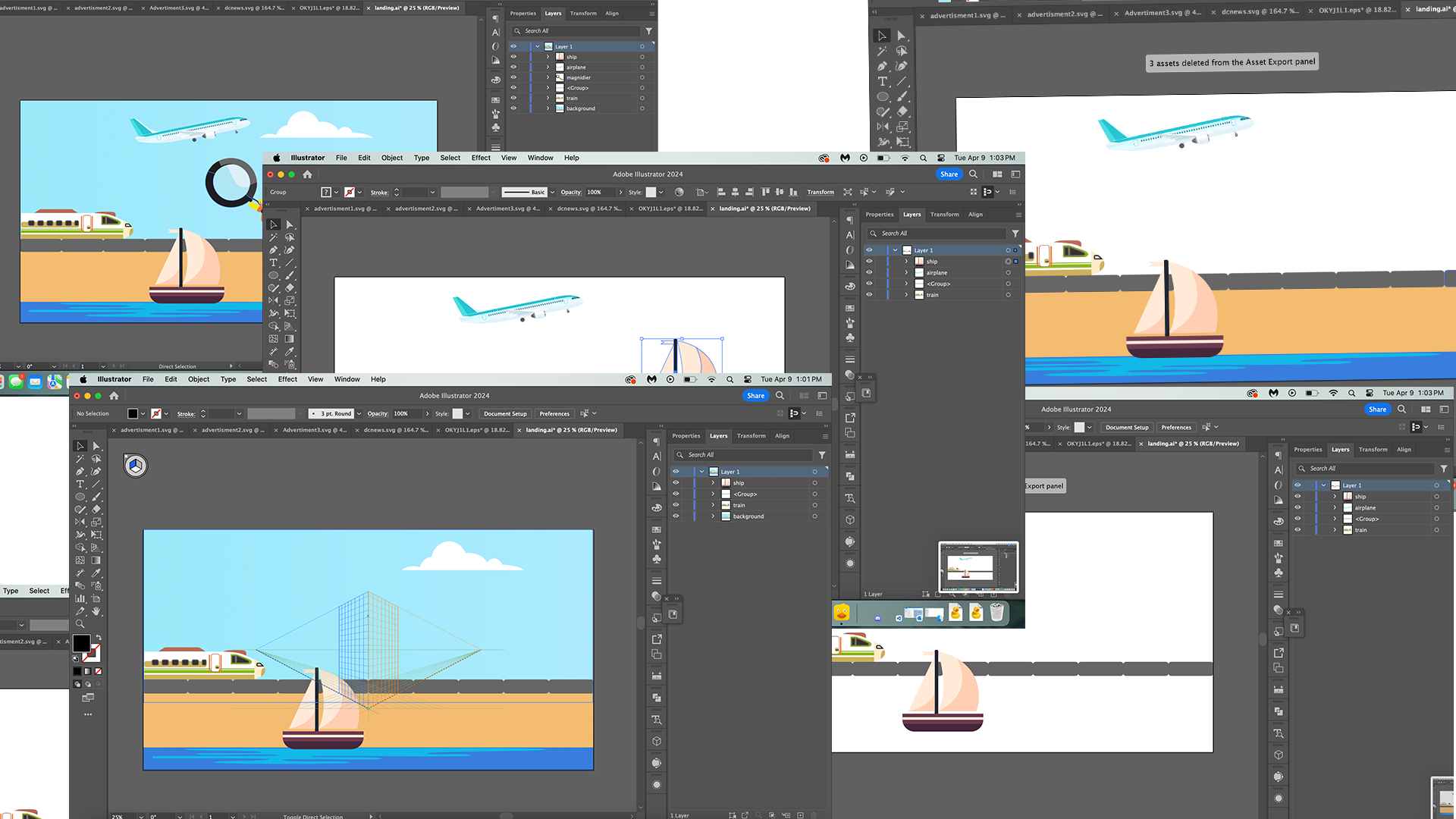
The development process of "The Hidden Game" was a journey as enigmatic and complex as the game itself,
a venture into the depths of creativity and technical innovation that challenged the norms of
traditional game design. This unique project began with a concept rooted in the desire to create an
interactive experience that blurred the lines between reality and the digital world, a game that would
not only engage players with puzzles and mysteries but also immerse them into a narrative that extends
beyond the screen into the real world. The inception phase was marked by extensive brainstorming
sessions where the core team, comprising storytellers, game designers, programmers, and artists,
collaborated to weave the intricate tapestry that would become the game's foundation. They drew
inspiration from a myriad of sources, including ancient lore, cyberpunk aesthetics, and real-world
cryptographic puzzles, ensuring that every aspect of the game was imbued with layers of meaning and
intrigue.
As the conceptual blueprint took shape, the team embarked on the meticulous task of bringing their
vision to life through agile development practices. This approach allowed for iterative testing and
refinement, ensuring that each puzzle, interface, and narrative element was not only engaging but also
seamlessly integrated into the game's overarching story. The development process was characterized by a
unique synergy between narrative and gameplay mechanics, with each puzzle designed to advance the
player's understanding of the game's world and its mysteries. Programmers worked closely with narrative
designers to embed cryptic codes and hidden messages within the game's architecture, creating a
multi-layered experience that rewarded curiosity and ingenuity.
The art team, meanwhile, crafted a visual aesthetic that reflected the game's enigmatic nature, with
stylized graphics and an atmospheric color palette that evoked a sense of mystery and otherworldliness.
Sound designers complemented this with an immersive auditory experience, blending ambient soundscapes
with subtle musical cues that hinted at the deeper secrets lying in wait for the players.
Role
In addressing the challenges encountered during the development of my touch screen ordering app, I
implemented
strategic solutions to ensure a successful outcome. To overcome the integration complexities with
diverse
point-of-sale systems and restaurant databases, I developed a modular and scalable architecture. This
approach
facilitated seamless connectivity and adaptability to various technical environments. Focusing on user
experience, I
conducted extensive usability testing and feedback sessions, incorporating valuable insights to refine
the
touch
interface.Achieving the right balance between functionality and design,
I employed an iterative
developmentAchieving the right balance between functionality and design, I employed an iterative
development
process, allowing for continuousenhancements based on user input. Concerning security, I implemented
robust
encryption protocols and regularly updated the app to address emerging threats, prioritizing the
protection
of
user
data and transactions. By adopting these solutions, the touch screen ordering app not only navigated the
challenges
successfully but also emerged as a reliable and user-centric solution, enhancing the overall dining
experience
for
users.
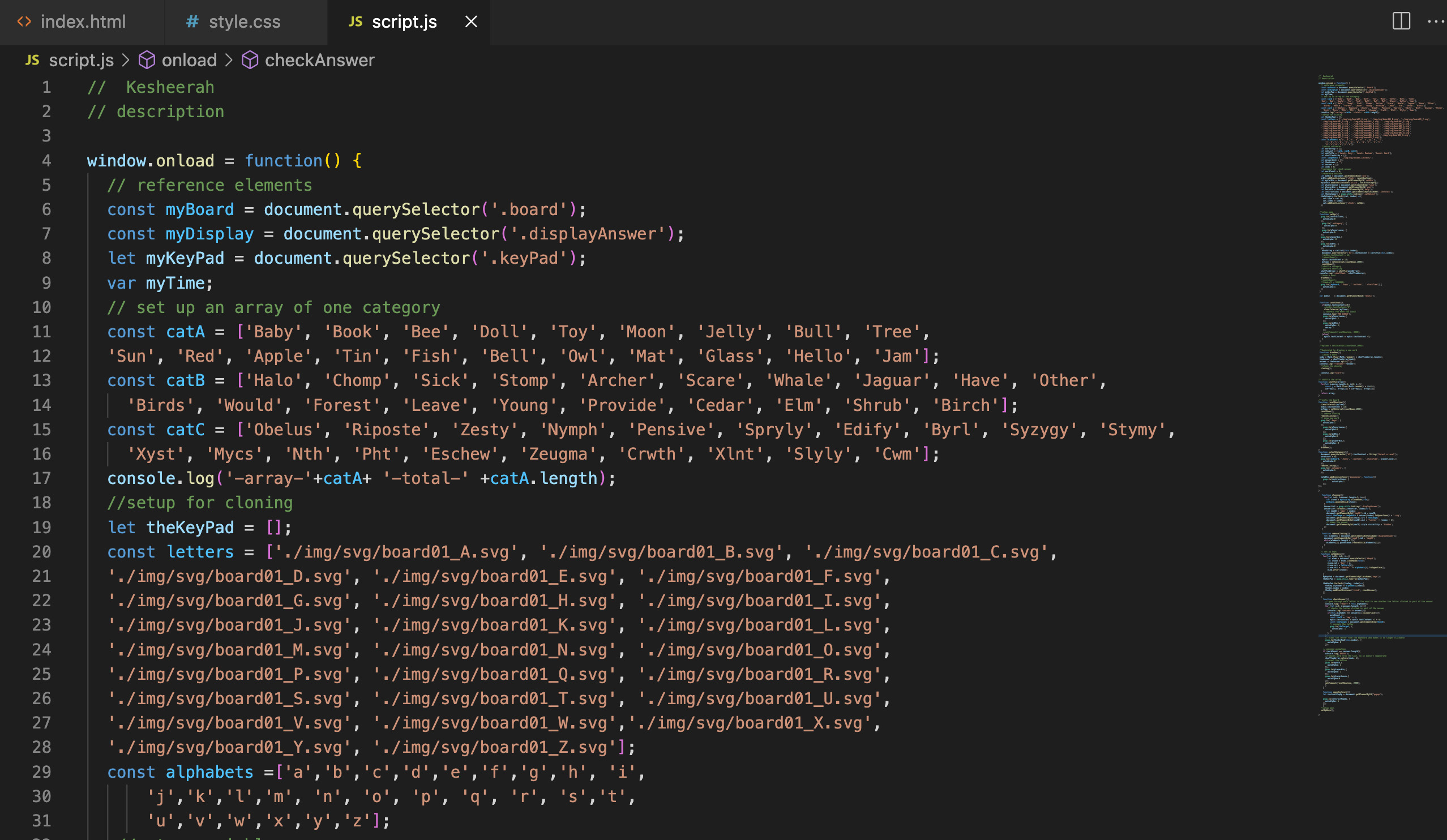
Responsive Coding.
With the way the code is set up, so everything is on the same layer, and it's just a matter of changing the
opacity of assets, rather than developing multiple pages, I had a hard time making the game responsive. I
had never worked with code set up in such a way, so to combat this challenge, I had to spend extra time
breaking down the code and understanding how these concepts work, in order to successfully make it
responsive for mobile.
Implementing the Timer.
Making the timer functional was a challenge, as I had never dealt with time in JavaScript. To tackle this
issue, I conducted research, and was able to learn how to implement the timer and make it function as it's
supposed to.
Brainstorming the Win/Lose Scenario.
Part of the requirement was to ensure that the game had a win and a lose scenario. Since I'm not the most
skilled in JavaScript, I had a hard time developing scenarios that were practical, yet reasonable for me to
implement. After meeting with the client, they agreed that the win and lose scenario revolving around the
timer was a good idea. Although I was nervous to implement these scenarios, after doing some research, I was
able to make those ideas a reality.
Stop Comparing Yourself to Others.
All designers come with different skills and experiences. We all have our own ways of doing things, and that
is what helps define our individuality. One way isn't necessarily better than the other.
Stop Comparing Yourself to Others.
All designers come with different skills and experiences. We all have our own ways of doing things, and that
is what helps define our individuality. One way isn't necessarily better than the other.
Focus on Learning, not on the Final Deliverable.
Focusing on the final deliverable rather than the process, can stunt the project's outcome.
Embrace what you Don't Know.
nt the project's outcome. Embrace what you Don't Know. The unknown can be scary, but it offers the
opportunity to grow - and maybe even find a new passion.